

Anyone who has played darts in a pub and then given a go at Lucky Jet online could feel a strange sense of déjà vu https://flytakeair.com/lucky-jet/. The core sensation is the same: that breathless moment observing a projectile’s path, hoping it to land in your favour. This piece examines that crossover, breaking down how the strategic gap we call “darts between throws” works on the same frequency as the cash-out decisions in Lucky Jet. It’s where an old pub staple encounters a new digital hit.
The Classic Appeal of the UK Pub Game
You simply can’t separate darts from the pub. The game is woven into the fabric of social life there. It’s a test of skill and nerve, played out against a backdrop of chatter and clinking glasses. The routine is standard: walk to the oche, throw, retrieve your darts, and do the maths. That rhythm becomes a kind of conversation. It creates camaraderie and a bit of healthy competition. For decades, it’s delivered a simple but deep kind of fun, a challenge to keep your hand steady while your mates watch.
Darts endures because it gets the balance right. It demands real, measurable skill—you can’t fake a double-top finish. Yet, anyone can pick up a dart and have a go. The board itself is a map of risk and reward, each segment clearly marked with its value. Tension builds leg by leg, often coming down to that final, closing double. This creates neat, self-contained rounds of play. It’s a structure you see mirrored in the discrete bets and rounds of many online games that borrow from this pub spirit.
Understanding the Lucky Jet Gameplay Mechanics
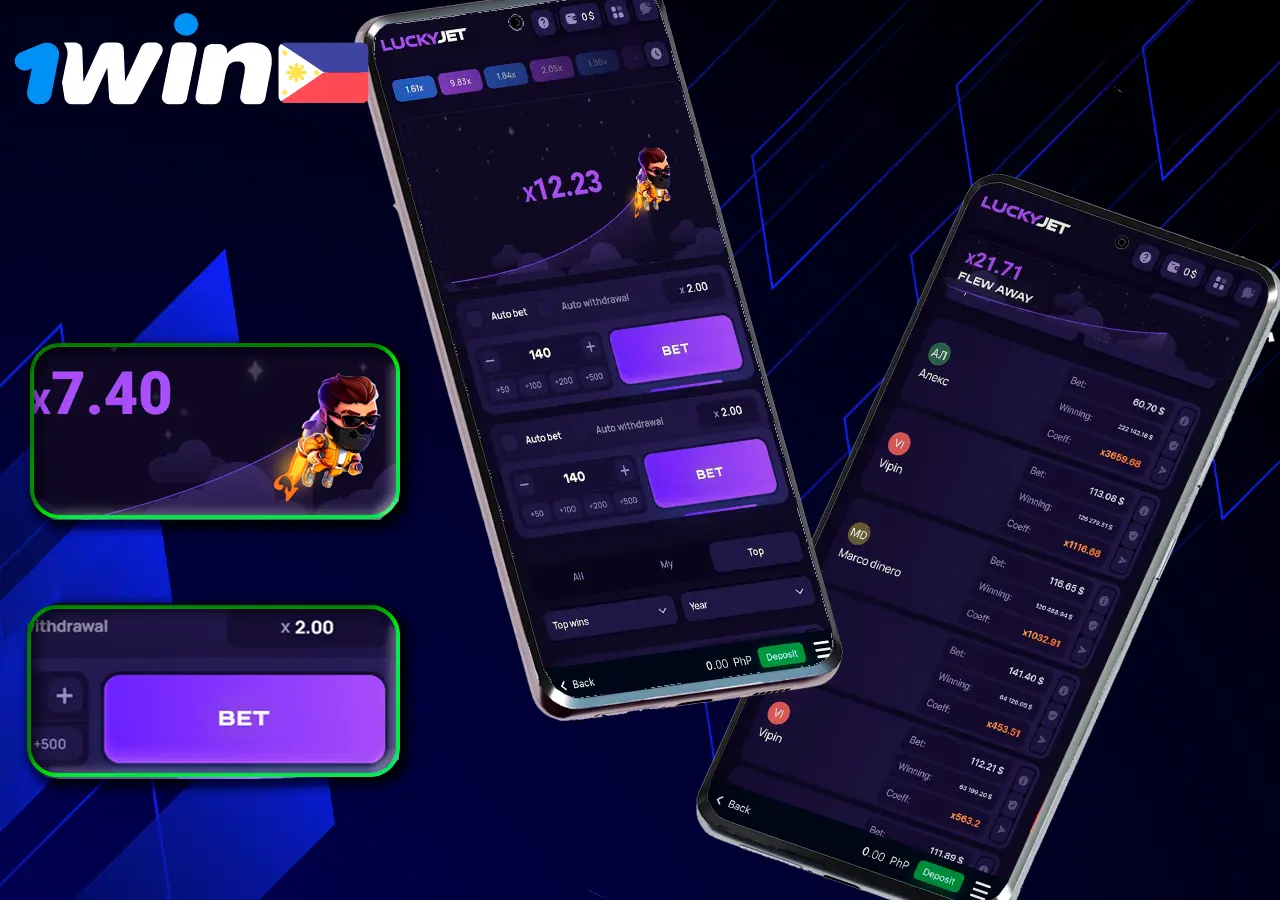
Lucky Jet operates on a basic, visual hook. A cartoon character with a jetpack launches, and a multiplier ticks up as it travels further away. Your job is to cash out your bet before the character fades into thin air. The longer it climbs, the greater your potential win, but the greater the chance you end up with nothing. Every second of that climb ramps up the tension, reflecting the arc of a dart in mid-air.
The loop is addictive in its simplicity: bet, watch, and decide. You have no control over the jet itself. Your only tool is the cash-out button. The skill isn’t physical; it’s in your timing and your appetite for risk. That internal fight between greed and caution is something everyone knows. It turns a chance-based game into a test of nerve, presenting the same question as a crucial dart throw: go for the glory, or keep what you’ve got?
Šipky Mezi hody: Psychologie of pauzy
In darts, nejde jen o samotný hod. It’s in the quiet moment after. Tehdy hráč provádí výpočty, přizpůsobuje taktiku, a nadechne se. Podívají se na tabuli, zvolí si terč—maybe the fat bit of the 20, maybe a narrow double—a představí si hod. Tento klid je ostrůvkem koncentrace v hlučné hospodě. It’s where the psychological battle happens.
Tady se buduje nebo boří klid. Jde o souboj s rušivými vlivy, tlakem okamžiku, a vlastními narůstajícími pochybami. Good players own this space. Využívají ho k resetu a plnému soustředění na další akci. Tato “strategická pauza” je přímým příbuzným momentu u Lucky Jet. It’s the same mental space you occupy, jak pozorujete násobič letící vzhůru, your finger hovering as you choose to cash out or let it ride.
Pacing Parallels: From Oche to Online Interface
The pace of a darts match and a Lucky Jet session share a kinship. Both function in quick, distinct rounds. Darts involves throws and legs. Lucky Jet presents back-to-back rounds that end in an instant. This rhythm is easy to fall into and difficult to leave. Every round seems like a fresh start, a new chance. That’s a potent mechanism for keeping someone playing.
They also both enable spectating. In the pub, you observe your opponent’s throws, evaluating their form and their fortune. Online, you often view a feed of other players cashing out, their wins and losses appearing. This collective watching, this joint observation of luck, builds a kind of community around the event. In person or online, you’re not playing in a vacuum. You’re part of a shared pattern of waiting and seeing what happens.
Skill vs. Fortune in Tavern and Electronic Play
Dart throwing is a precision activity, no question. Muscle memory, a repeatable stance, a polished delivery—these are sharpened through practice. A chance bounce might occur once, but over time, the superior player prevails. Lucky Jet is distinct. It’s a gambling game with a decision added on top. You are unable to steer the jet, but you decide when to bail out. That selection demands discernment and a calm head.
Understanding this difference correctly counts. Viewing Lucky Jet as a pure skill game will steer you wrong, the same as attributing bad luck for every dart that misses the treble overlooks poor technique. Lucky Jet’s hybrid nature—arbitrary flight, deliberate cash-out—is what makes it stick. It evokes the *experience* of pitting your wits against fate. It seems like requiring to “make the double under stress,” even though the workings underneath are entirely separate.
The Social Dynamic: Community Around Games
Traditional pub games live and die by their social setting. The conversation, the drinks together, the reactions and applause are part of the experience. Darts is often a team affair, the foundation for local leagues and enduring friendships. This community is a major factor the game has lasted. Digital platforms have tried to copy this by integrating chat boxes, leaderboards, and live feeds of other players playing.
Playing Lucky Jet, you’re often aware you’re in a digital room with others. It’s unlike a physical pub, but it offers a modern version of hanging out. When someone hits a huge multiplier and everyone sees it pop up, it sparks a wave of digital applause. It taps into the same human craving for collective thrill and a good story that you find around a dartboard.
Contemporary Interpretations of Classic Game Concepts
Lucky Jet is a smooth, modern version on ideas that are as old as gambling itself. The “cash-out” button is just a digital version of knowing when to walk away. The rising multiplier is a evolving, visual gauge of escalating odds, more immediate than any static dartboard. It takes the psychological essence of traditional betting—the anxiety of not knowing the outcome—and wraps it in bright, game-like graphics.
This kind of development is normal. Games always adjust to their medium. Darts itself started with people throwing shortened arrows at the bottom of wine casks. Online games take those classic human urges and channel them into new interfaces. They strip away physical limitations for instant play, but keep the essential emotional journey. Lucky Jet doesn’t kill the pub experience. It just provides a new, accessible route to the same old excitement of waiting for a result.
Mindful Gambling in Any Setting
It makes no difference if you’re in a warm pub or on your couch on your phone; betting responsibly is essential. The quick, round-based structure of both darts and Lucky Jet can cause sessions to extend. In darts, the social environment and the need to walk to the board provide built-in breaks. Online, you must create those pauses on your own. Setting a budget and a time limit before you press “play” is like deciding how much you’ll spend on drinks for the night.
A sound approach is to treat gaming as paid entertainment, not a side hustle. The amount you’re ready to invest is the cost of admission for the thrill. When that budget’s gone, the session ends, no matter if you’re winning or losing. This attitude is essential for digital play, but it’s similarly sensible in a pub. Savor the game for the tension, the trial of your courage, and the social pleasure. Avoid playing solely for profit.
Cultural Fusion: Why the Analogy Resonates
Drawing parallels between darts to Lucky Jet functions because it ties something new to something deeply ingrained. It anchors an innovative digital game in traditional soil. For a lot of people, the idea of “darts between throws” perfectly captures that tense cash-out window in Lucky Jet. The crossover helps new players absorb the game’s rhythm and psychological stakes using a structure they already get.
In the end, both games feed the same human appetite. They provide bursts of focused tension and release inside a defined, entertaining style. They craft a tale—the tale of a comeback in a darts match, or the legend of a perfectly timed 50x cash-out. That storytelling piece, the moment you recall and retell later, is the core of the attraction. It’s why we engage, on any arena, in any age.
Frequently Asked Questions
Is Lucky Jet a game of skill comparable to darts?
Not precisely. Darts hinges on real skill you build over time. Lucky Jet is a game of chance; the jet’s flight is random. The skill element is in your cash-out timing. That involves managing risk and keeping your emotions in check, which is analogous to the mental side of darts. But you can’t use a practiced throwing motion to influence where the jet goes.
What exactly does “darts between throws” mean in this context?
It’s a method of describing the crucial pause for decision-making. In darts, it’s the moment a player figures out the scores and selects their target. In Lucky Jet, it’s the tense gap where the multiplier is increasing and you must decide instantly to cash out or wait. Each are psychological intervals where the real game occurs in your head, requiring focus and calm under pressure.
Can I play Lucky Jet in a social setting like a pub game?
It’s played online, but Lucky Jet typically has social features like live chat and visible bets, forming a shared digital space. It mimics the communal buzz of a pub, but on a screen. To obtain the real pub feel, friends can crowd around one device, debating over when to cash out and sharing the reactions, blending the digital game with a physical get-together.
How can I manage my play responsibly with fast-paced games like this?
Define a firm budget and a time limit before you begin. Think of it as buying entertainment. Use the responsible gaming tools on the platform, like deposit limits and timeout settings. Take regular breaks. Never try to win back what you’ve lost. Remember, the fun is in the gameplay and the decisions, not the money. If you stop having fun, log off straight away.